
Webinars
The goal of this initiative is to provide thematic talks about specific modules (e.g., MUSTANG for sediment, biogeochemistry models available) or key features (e.g., non-hydrostatic capabilities with NBQ, nesting with AGRIF, or output handling with XIOS). The philosophy of these talks is not only to highlight CROCO’s capabilities but also to openly discuss current limitations and constraints. Please note that the technical prerequisites required to follow the talks may vary from session to session.
We aim to schedule 4 to 5 sessions per year (roughly one every two to three months). To keep the format concise and interactive, each session will have a total duration of approximately 45 minutes, including 10 to 20 minutes dedicated to questions and answers.
Next session: Setting up a wave-resolving nearshore configuration in CROCO
Date: 8 October 2026, 16:00 (UTC+2, FR TIME)
This talk walks through setting up a 3D non-hydrostatic, wave-resolving configuration in CROCO to capture the fine-scale dynamics of the surf zone and inner shelf. It covers the CPP keys and parameters involved: bottom roughness, advection schemes, tracer diffusion, etc. A specific focus will be given to the wavemaker and turbulence closure. Common pitfalls and their fixes will also be discussed.
Attend the webinar live at the link below, or watch the recording later on this page or on our YouTube channel.
Upcoming talks
- 4 December 2026, 13:30 UTC+1: Setting up tides in your CROCO configuration
- February/March 2027 : STOGEN : Stochastic parametrization in CROCO
- May 2027 : MUSTANG : MUd and Sand TrANsport modellinG in CROCO
Previous talks
Users Meetings
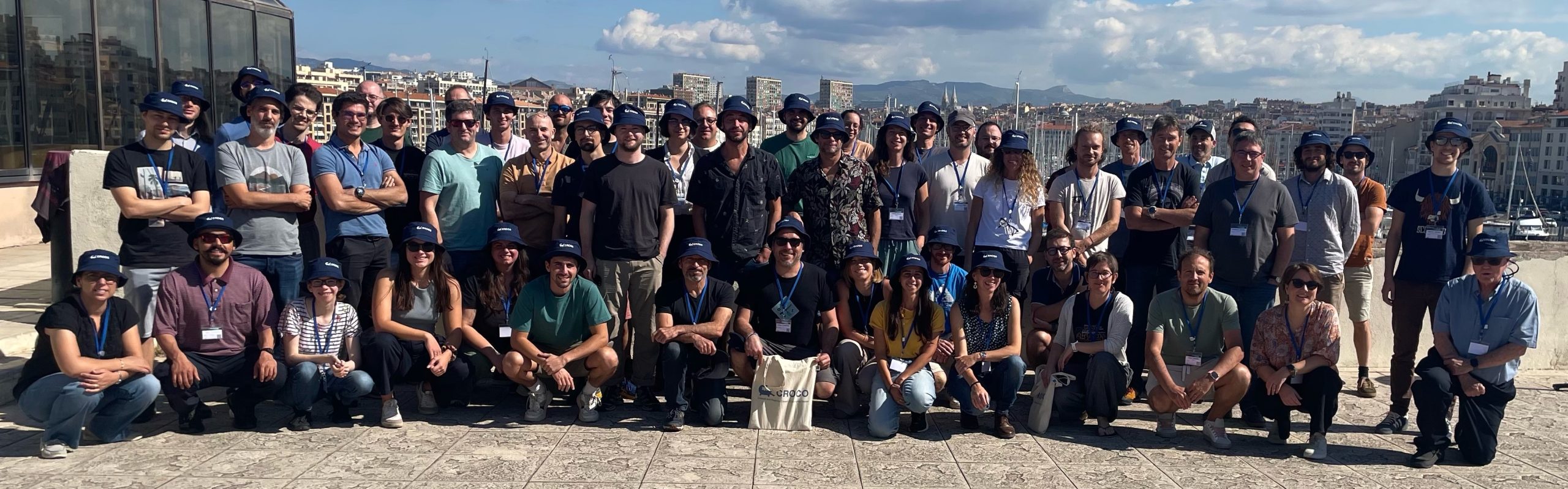
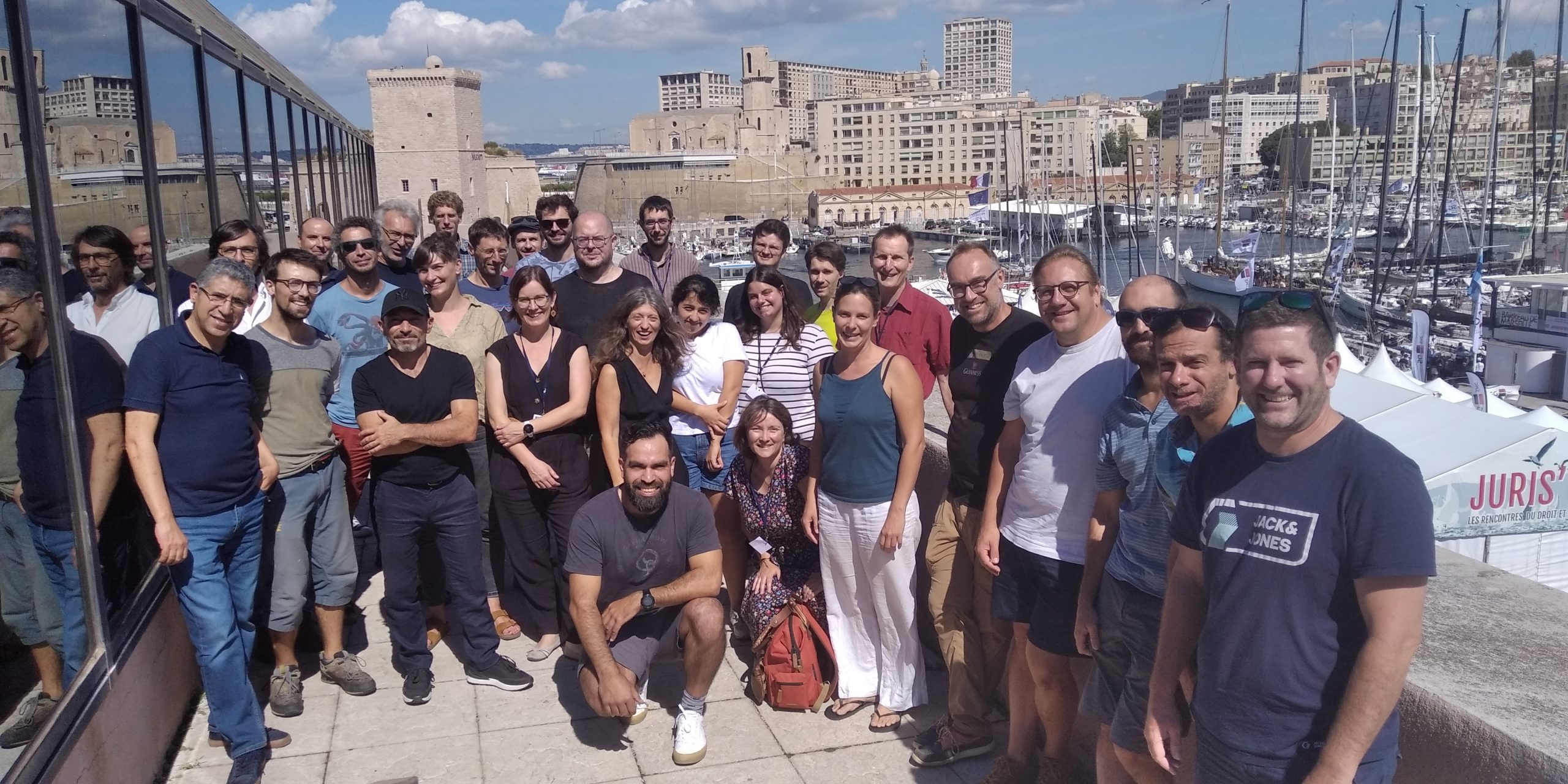
Users meeting are held every 2-3 years to gather the CROCO community and foster interactions. They generally encompass some presentations from the core developers about model development updates, keynotes from external speakers, but meetings mostly focus on users contributions! Topics cover any activities with CROCO, projects, applications as well as developments.